You want dental care that feels close, steady, and human. Community based family dentistry gives you that. It brings care into your daily life instead of waiting for a crisis. You see the same faces. You build trust. You ask questions without feeling rushed or judged. That comfort means you are more likely to schedule cleanings, follow care plans, and bring your children early. Local teams can spot small problems before they turn into pain, missed work, or high bills. They know your town, your water, your food habits, and your stress. This context shapes better choices for you. In a Plymouth dental office that follows a community model, care is not a rare event. Instead, it becomes part of your routine, like school or work. That steady link is what strengthens true preventive access for every family member.
Why staying close to home changes your care
When care stays close to home, you face fewer barriers. You spend less time traveling. You juggle fewer rides and fewer hours away from work or school. You can bring more than one child at a time. That saves energy and money.
Regular care matters. The Centers for Disease Control and Prevention explains that untreated cavities can cause pain and infections that lead to problems with eating, speaking, and learning.
Community-based family dentistry makes those regular visits easier. You get three key benefits.
- Short travel and fewer missed hours
- Care for every age in one place
- Ongoing trust with one team
How trust improves preventive care
You share more when you trust your dental team. You tell them about pain, fear, money limits, and family stress. That honesty helps them shape a plan that fits your life.
With a steady community office, you are more likely to
- Keep twice yearly cleanings
- Return for follow up visits
- Ask about home care and diet
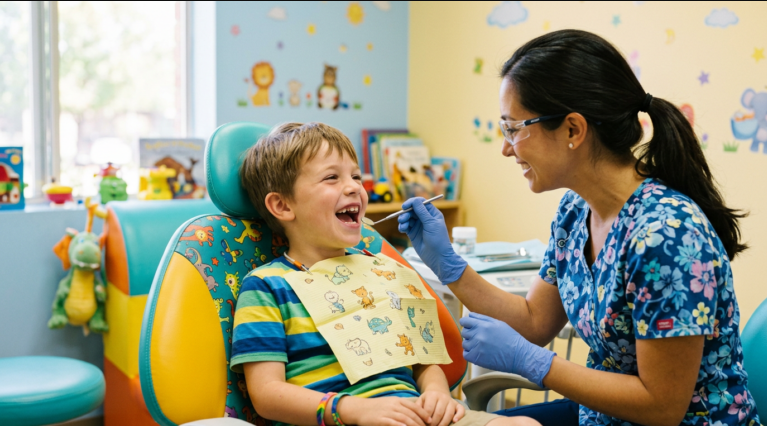
Children watch this. When they see you stay calm in the chair, they learn that care is safe. That memory can last for life. It can mean fewer skipped visits as adults and fewer emergencies for their own children.
Prevention across every age
Family dentistry covers all stages. You do not need to switch offices each time someone in your home reaches a new age. That constant link supports simple, steady prevention.
Preventive focus by age group in community-based family dentistry
| Age group | Main preventive needs | How a community office helps |
|---|---|---|
| Infants and toddlers | Early checks, bottle and pacifier habits, first teeth care | Short visits, guidance for parents, tracking growth over time |
| School age children | Sealants, fluoride, brushing, and flossing skills | Easy after school visits, strong reminders, clear guidance for home |
| Teens | Sports mouthguards, braces support, sugar drink risks | Honest talks, respect for privacy, help with changing schedules |
| Adults | Gum checks, decay checks, repair of worn teeth | Plans that fit work hours, support for quitting tobacco, budget talks |
| Older adults | Dry mouth, denture care, medication effects | Gentle pace, link with medical teams, support for caregivers |
Community based care and fewer emergencies
Emergency visits often come from small problems that grew in silence. A missed cleaning, an ignored chip, or bleeding gums can turn into severe pain. Community-based family dentistry focuses on early warning signs.
You gain three protections.
- Regular cleanings remove plaque where your brush cannot reach
- Checkups find tiny cavities before they reach the nerve
- Ongoing records show changes in gums and bone over time
That constant watch can reduce the need for extractions and root canals. It can also cut the number of school and work days lost to tooth pain.
See also: 5 Everyday Habits That General Dentists Recommend For Oral Health
Local knowledge strengthens prevention
Your community dental team understands local patterns. They know if your water has fluoride. They see common food and drink habits in your town. They hear about job loss, long shifts, and limited grocery choices.
That knowledge shapes clear guidance. Your team can suggest simple changes that fit your budget and culture. They might focus on cutting one sugar drink each day. They might suggest brushing after a certain meal. They might time visits around local events, so you do not have to miss them.
Access, cost, and community support
Cost often keeps people away from preventive care. Community-based family offices may partner with schools, local groups, and public programs. Some offer sliding fee scales or flexible payment plans.
The Health Resources and Services Administration explains how community health centers increase access to dental care for people with low incomes.
When care ties into local programs, you gain more entry points. You might see a dental team during a school event. You might get a reminder at a community center. You might find help to sign up for coverage.
Simple steps you can take now
You can strengthen preventive access for your own home with three simple moves.
- Choose one nearby family dental office and stay with it
- Schedule routine visits for every person twice each year
- Talk openly about fears, money, and schedules so the team can adjust
Community-based family dentistry is not a luxury. It is a steady path that keeps small problems from turning into chaos. When you build a long-term link with a local team, you protect your health, your time, and your peace of mind.