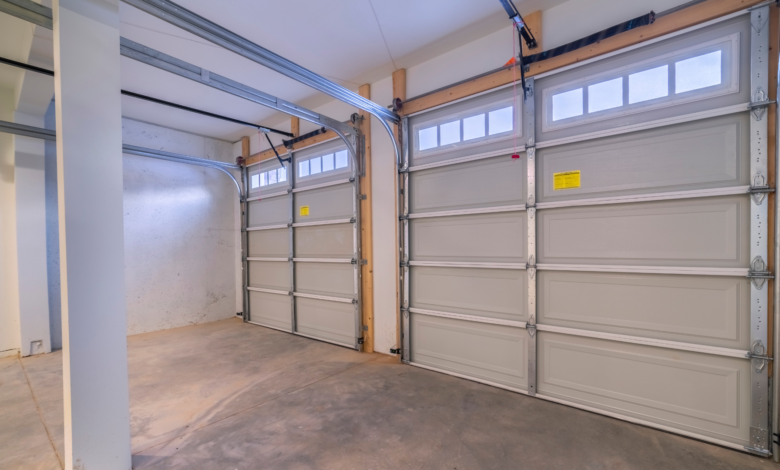
Replacing a garage door is not just a weekend errand. Done right, it’s one of the highest-return upgrades you can make to your home, full stop. A well-planned garage door replacement tightens your security, cuts energy waste, and transforms how your home looks from the curb.
But here’s the thing: most homeowners dive in without a solid game plan, and that’s where projects get messy and expensive. This checklist changes that.
Start by Getting Clear on What You Actually Want
Seriously, before you look at a single catalog or call a contractor, define your priorities. Security? Energy efficiency? Smart home integration? Resale value? Knowing what matters most to *you* steers every decision downstream.
Take an Honest Look at Your Current Door
Walk out and really examine it. Listen when it opens. Does it groan? Drag? Struggle with temperature swings? Visible wear, sluggish movement, and strange sounds aren’t cosmetic issues; they’re structural red flags. Worth noting: over 48% of homeowners report component wear within just six years of installation. Don’t wait for a complete failure before acting.
See also: Why Preventive Care Sets The Stage For Lifelong Family Smiles
Curb Appeal Isn’t Vanity, It’s Strategy
A new door can fundamentally change your home’s street presence. We’re not talking minor refreshes. The right choice adds genuine market value, which we’ll quantify later in this guide.
Understanding Your Options Across Garage Door Types
Once your priorities are locked in, the fun part starts, but also the overwhelming part. The sheer range of garage door types can feel paralyzing. Break it down by style first, then material, and it becomes far more manageable.
Style Options Worth Knowing
Sectional doors dominate American homes for good reason; they’re practical, space-efficient, and suit most standard garage openings. Roll-up, side-hinged, and sliding styles serve specific architectural purposes. Older homes often feature up-and-over or tilt-up canopy designs.
When you start browsing residential garage doors, you’ll quickly see each style carries its own clearance requirements, aesthetic personality, and space trade-offs, compare them carefully before committing.
Material Choice Matters More Than You Think
Steel is tough and wallet-friendly. Wood looks gorgeous but demands regular upkeep. Aluminum resists rust brilliantly. Fiberglass and composite materials handle humid climates gracefully. Glass panels bring a sleek, contemporary feel. Your local climate and your honest tolerance for maintenance should drive this decision, not just aesthetics.
Smart Features Are No Longer Optional Extras
Wi-Fi-connected doors, app-based control, and full smart home integration are moving from luxury to standard. Between 2022 and 2024, smart garage door installation adoption jumped 38%, especially across North America. Add insulated panels and decorative windows to your consideration list, too.
Getting Brutally Honest About Garage Door Cost
Nobody enjoys surprise invoices. Understanding garage door cost before you commit protects your budget and your sanity.
What Actually Drives the Price
A basic steel door starts around $500. Custom wood or full-view glass can push past $4,000 easily. Beyond the door itself, budget for labor, hardware, haul-away, opener upgrades, any needed electrical work, and local permits.
A Simple Budget Comparison
| Cost Factor | Budget Option | Premium Option |
| Door Material | Steel | Wood/Glass |
| Insulation | Basic foam | High R-value core |
| Opener | Standard chain-drive | Smart Wi-Fi model |
| Installation | Standard labor | Full-service removal + install |
Get at least three quotes, no shortcuts here. And don’t reflexively pick the lowest number. Ask each contractor to walk you through exactly what’s included. The cheapest quote often becomes the most expensive mistake.
Finding the Right Person for Your Garage Door Installation
Even a premium door will underperform with a poor install. Vetting your contractor isn’t optional.
What Separates Good Contractors from Great Ones
Look for licensing, liability insurance, and manufacturer certifications. Read Google reviews and check the BBB. Ask for references from recent comparable jobs. A contractor worth hiring answers your questions directly and hands you a written contract without hesitation.
Should You DIY This? Honest Answer: Probably Not
Springs operate under extreme mechanical tension. Mishandling them causes serious injury; it happens more than people realize. Unless you have genuine mechanical experience and proper tools, professional garage door installation is the smarter, safer call. Pros also warranty their work, which protects you well beyond installation day.
Prep Your Space Before Installation Day
Clear vehicles, tools, and clutter well ahead of time. Keep children and pets completely away from the work zone. Expect the project to run four to eight hours, depending on complexity. Ask your installer beforehand what they need to read; most contractors genuinely appreciate showing up to a clean, accessible space.
Maintenance Is Where Your Investment Either Lives or Dies
A brand-new door still needs consistent attention. Honest garage door maintenance is what separates a decade of smooth operation from repeated repair bills.
Build a Simple Routine
Lubricate rollers, hinges, and springs every six months. Inspect weatherstripping each season and replace it the moment it cracks or hardens. Monthly, disconnect the opener and manually lift the door halfway; it should hold position without drifting. If it doesn’t, something needs adjusting.
Catch Problems Before They Become Expensive
Strange noises, sluggish response, or uneven movement are early signals, not minor annoyances. Addressing them during routine garage door maintenance checks prevents far costlier repairs later. An annual professional inspection is worth every dollar.
The ROI Makes This a No-Brainer
Here’s the number that tends to silence any remaining hesitation: garage door replacement achieved an average ROI of 268% in 2025, the highest return of any major home improvement category. Insulated doors also meaningfully reduce heating and cooling costs year-round.
Your Common Questions, Answered Directly
Do I need a permit to replace my garage door with a wall?
Structural modifications, walls, new doors, and electrical conversions almost always require a permit. Check with your local building authority before touching anything structural.
Can I keep my existing opener with a new door?
Often, yes, if it’s compatible with the new door’s weight and dimensions. But older openers frequently lack current safety requirements, so have a technician evaluate it first.
Are insulated doors actually worth the upcharge?
Absolutely. Particularly in climates with temperature extremes, insulated doors improve energy efficiency, dampen noise considerably, and outlast non-insulated versions. Utility savings typically recover the cost difference within a few years.
Your Next Move Starts Here
A genuinely thoughtful approach to garage door replacement pays dividends in comfort, safety, and real financial return. Choose your garage door types deliberately, budget honestly for garage door cost, invest in professional garage door installation, and stay consistent with garage door maintenance. That’s the whole formula.
Your home is worth doing this right, so take the checklist seriously and give it the attention it deserves.