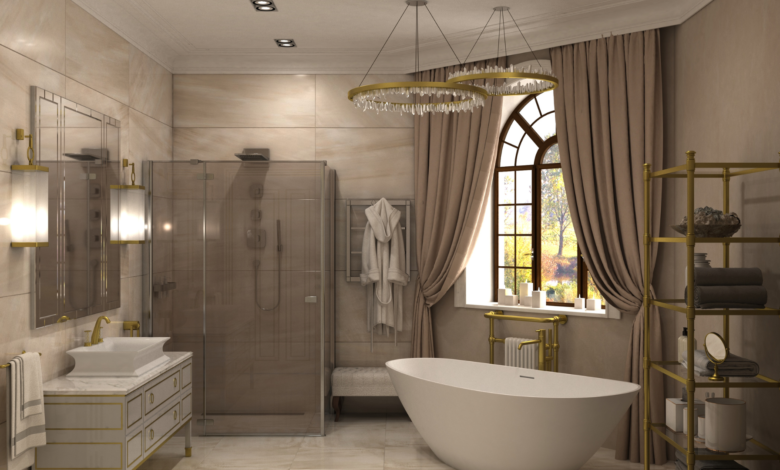
Your bathroom probably sees more daily action than any other room in your home, yet most people never stop to question its layout until something genuinely irritates them. Maybe it’s the vanity door swinging into your shin every morning. Maybe the counter disappears the moment two people are getting ready at the same time.
Here’s a number worth sitting with: over 80% of homeowners report being satisfied with their remodel results, including installation quality, which tells you just how dramatically a thoughtful layout can shift your daily experience. And no, getting it right doesn’t demand a massive budget. It demands smarter decisions made earlier in the process.
The Foundations of Smart Bathroom Space Planning
Even the most beautiful fixtures will underperform without a solid floor plan beneath them. Real bathroom space planning starts with an honest look at what you’re actually working with.
Constraints Come First
Measure everything twice before you plan anything once. Note where your plumbing stack sits, how natural light enters, and which direction the door swings. These structural realities often shape your options more than style preferences do.
Montreal homeowners, for instance, frequently encounter older building configurations where relocating plumbing isn’t straightforward or cost-effective. In those situations, working with specialists in bathroom remodeling in Montreal can make those constraints feel manageable rather than defeating, because experienced contractors know how to design around limitations, not just despite them.
Zone It Before You Design It
Dividing your bathroom into three distinct zones, wet (shower and tub), dry (vanity and toilet), and storage, creates genuine order without requiring additional square footage. Studies back this up: well-structured layouts raise user satisfaction by 42% compared to poorly organized spaces.
See also: How Family Dentists Build Lifelong Patient Relationships
The Three Mistakes That Derail Most Plans
Skipping the zoning step entirely. Letting the toilet become the visual focal point of the room. Underestimating how much storage you actually need. These three errors are remarkably common and remarkably avoidable when you design around behavior rather than around fixture preferences.
What Actually Makes a Bathroom Layout Functional
Functional bathroom layout ideas aren’t about cramming in every feature you’ve ever pinned online. They’re about how naturally, almost unconsciously, you move through the space each day.
Movement, Clearance, and Accessibility
Picture the natural path through your bathroom: door to sink, sink to toilet, toilet to shower. When fixtures interrupt that path, frustration builds fast. A minimum of 21 inches of clearance in front of every fixture isn’t a suggestion; it’s the baseline that keeps things from feeling cramped.
The Details Nobody Talks About Enough
Good ventilation, strong vanity lighting, and deliberate bathroom space planning around your plumbing walls are none of these glamorous decisions. But they’re precisely what separates bathrooms people genuinely love from ones they simply tolerate. One rule worth adopting early: finalize your storage zones before you lock in any fixture placement.
Layout Ideas That Work Across Every Bathroom Type
Whether you’re designing a generous master suite or squeezing functionality into 50 square feet, the right layout approach makes a real difference.
Master Bathroom Layouts Worth Considering
Master bathrooms benefit enormously from a retreat-zone mindset. Separating the vanity area from the shower or soaking tub creates a sense of privacy that no single fixture can manufacture on its own. Double vanities with individual storage columns are consistently popular, and for good reason.
Small Bathrooms With Big Potential
Wall-mounted fixtures, corner showers, and pocket doors are three of the most reliable tools in compact bathroom design. Place a mirror opposite a light source and watch the room visually expand. Light is arguably the most underutilized resource in small-bathroom space planning.
Family Bathrooms Built for Real Life
High-traffic family bathrooms need durability and design working together, not against each other. Large-format tiles with minimal grout lines, built-in shower niches, and hook rails installed at kid height; these are small decisions that accumulate into a noticeably more functional daily routine.
Modern Finishing Touches
Matte black fixtures. Terrazzo tile accents. Frameless glass enclosures. Even one deliberate statement element, a freestanding tub, a dramatic feature wall, can shift the entire feel of a room from generic to genuinely considered.
Balancing Aesthetics and Practicality in Bathroom Remodeling
This is where a lot of well-intentioned projects go sideways. A stunning bathroom that doesn’t hold up to daily use isn’t a design success; it’s an expensive lesson.
When approaching bathroom remodeling, prioritize fixture selection that aligns with your existing plumbing footprint first, then layer in style. Quartz countertops, porcelain tile, and water-resistant paint aren’t compromises; they’re the foundation of bathrooms that still look sharp five years after installation.
One underrated trade-off worth understanding: polished surfaces show every water spot. Honed finishes hide them. Matte tiles add texture and require far less maintenance. These aren’t minor details; they’re the difference between a bathroom you maintain and a bathroom you fight.
Technology That Earns Its Place
Modern bathroom design increasingly incorporates technology, and it doesn’t have to be complicated or expensive to add real value.
Heated floors, motion-activated nightlights, and programmable shower systems deliver daily comfort in ways that feel immediately tangible. Anti-fog mirrors with integrated LED lighting serve both function and aesthetics without requiring compromise.
The guiding principle here: make technology invisible when it’s not actively in use. Recessed speakers, concealed outlets inside vanity drawers, and in-wall charging stations keep the visual environment clean. That’s what strong functional bathroom design actually looks like in practice.
Personalizing the Space Without Overcomplicating It
Color and texture are where personality enters the room, and where restraint usually pays off. Soft warm whites, sage greens, and deep navy tones are performing well right now. A light neutral base with one confident accent, through tile, hardware, or a vanity color, tends to age gracefully and photograph well without demanding a refresh every few years.
An oversized mirror makes almost any bathroom feel larger. Unlacquered brass hardware adds warmth without reading as trendy. Natural materials like teak or rattan introduce a calm, spa-adjacent quality that no fixture alone can replicate.
Making the Remodeling Process Go Smoothly
Even a flawless design needs the right execution behind it.
Get at least three contractor quotes, and ask each one to walk you through their sequencing: plumbing, electrical, waterproofing, tile, then fixtures. A contractor who explains the process clearly is usually one who follows it carefully.
Budget-wise, set aside 15–20% as contingency. Not because disaster is inevitable, but because demo surprises are genuinely common in bathroom work. And plan for the space to be out of commission for at least two weeks on a full remodel, building that buffer in from the start protects your sanity.
Layout Reference: A Quick Comparison
| Layout Type | Best For | Key Feature | Challenge |
| Single-wall | Narrow spaces | Compact efficiency | Limited storage |
| L-shaped | Medium bathrooms | Natural zoning | Corner dead zones |
| U-shaped | Master baths | Maximum storage | Needs more sq footage |
| Open-plan | Luxury bathrooms | Spacious feel | Privacy considerations |
Answers to the Questions That Come Up Most
How do I pick the right layout for my home?
Start with your existing plumbing locations and your room dimensions. Layouts that work with your current stack stay on budget while still delivering meaningful design improvement.
What are people prioritizing in bathroom design right now?
Wet rooms, floating vanities, and double-entry showers are trending. Functional accommodations now motivate 27% of remodels, up from 23% in 2023, a clear shift toward usability-first thinking.
Can stylish layouts work on a tight budget?
Absolutely. New hardware, fresh grout, and a larger vanity mirror can shift the feel of a bathroom significantly without touching the plumbing.
Design It Well, Then Live in It Better
A well-planned bathroom isn’t an indulgence; it’s one of those home investments that pays back daily. Smart bathroom layout ideas, paired with the right materials and realistic planning, make the entire process far less overwhelming than most people expect going in.
Whether your vision is a quiet master retreat or a hardworking family bathroom, the path forward is the same: start with your floor plan, build outward deliberately, and don’t rush the details. They’re almost always where the real difference lives.