You do not need to spend a fortune to enjoy vinyl properly. Some of the best-value audio products available today are affordable turntable phono preamps, small boxes that deliver a huge improvement over the built-in stage in a budget turntable or amplifier. This guide explains what good value looks like, what to expect at different price points, and how to get the best vinyl sound without overspending.
What Good Value Means in a turntable phono preamp
Good value does not mean the cheapest option. It means the best sound for the money, with the right features and solid build quality. A well-designed affordable phono preamp will have a quiet circuit, a clean power supply, a metal case and the correct gain for your cartridge. It will not have flashy extras, but it will do the essential job properly: boosting the cartridge signal cleanly and applying accurate equalisation.
The most important quality in any phono preamp, at any price, is a quiet background. The cartridge signal is extremely weak, so any noise the turntable phono preamp adds will be clearly audible. Affordable models from respected hi-fi makers now achieve impressively low noise, thanks to better circuit design and manufacturing. That is why a modest phono preamp from a good maker will usually outperform a more expensive model from an unknown brand.
What to Expect at an Affordable Price
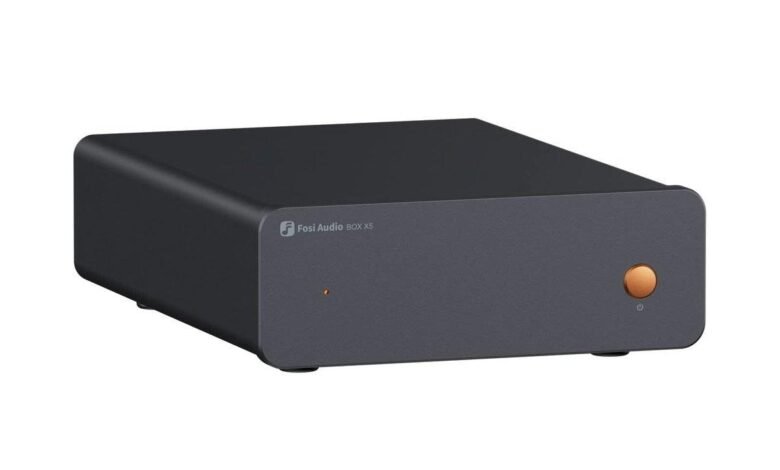
At the affordable end of the market, a good turntable phono preamp will support moving magnet cartridges, provide the correct gain, and connect to any line input on your amplifier or powered speakers. Many models also include a switch for moving coil cartridges, which is useful if you plan to upgrade later. A subsonic filter, which removes low-frequency rumble from warped records, is a welcome extra at this price.
Build quality is where affordable models vary most. Look for a solid metal case rather than lightweight plastic, a proper external power supply rather than a flimsy wall adapter, and RCA sockets that feel firm and secure. These details cost little to manufacture, but they make a real difference to noise performance and long-term reliability.
Where to Spend and Where to Save
Spend your money on the circuit, not on the cosmetics. A simple, well-built phono preamp with a clean layout will sound better than a flashy model with a display, a remote control and multiple inputs at the same price. Those extras add cost without adding sound quality, and they are rarely used in practice.
Save money by keeping the feature list short. You need the correct gain for your cartridge, a quiet background and a solid build. You do not need adjustable loading unless you own a moving coil cartridge, and you do not need balanced outputs unless the rest of your system uses them. Every feature you skip is money that can go into the quality of the circuit.
The Biggest Upgrade for the Least Money
For many vinyl listeners, adding an affordable separate turntable phono preamp is the best-value upgrade in hi-fi. The built-in stage in a budget turntable or amplifier is usually the weakest part of the system, and replacing it with a dedicated phono preamp brings an immediate and obvious improvement. The background becomes quieter, the bass becomes fuller, and the detail in the music comes through more clearly.
This upgrade is particularly effective because it costs far less than a new turntable, a new cartridge or new speakers, yet it can transform the sound of the system you already own. Many listeners find that a modest phono preamp makes their existing records sound new again, revealing detail they had never noticed before.
5 Ways to Get the Best Value
- Match the cartridge: buy a turntable phono preamp with the right gain for your moving magnet or moving coil cartridge.
- Prioritise low noise: a quiet background matters more than any extra feature.
- Choose a respected maker: established hi-fi brands offer better design and support.
- Keep it simple: spend on the circuit, not on displays, remotes or unused inputs.
- Buy for the future: a model with switchable MM and MC settings will stay useful if you upgrade.
Avoiding False Economy
The cheapest phono preamp is not always the best value. Very cheap models often use noisy circuits, poor power supplies and flimsy cases, and they can sound worse than the built-in stage you already have. a turntable phono preamp that adds hum or hiss to your music is money wasted, however little it costs.
A better approach is to set a modest but realistic budget and buy the best-regarded model within it. Read reviews from trusted hi-fi sources, pay attention to comments about noise and build quality, and buy from a dealer who offers a returns policy. A little research before you buy will save you from a disappointing purchase.
See also: Transforming Business Operations Through Modern Technology
Frequently Asked Questions
How much should I spend on a budget phono preamp?
For most systems, a turntable phono preamp in the same price range as your cartridge is a sensible target. Affordable models from respected makers now offer excellent performance at a modest price.
Will a budget phono preamp beat my built-in stage?
In most cases, yes. A dedicated phono preamp has its own circuit and power supply, while a built-in stage shares space and power with other circuits. The separate unit is usually quieter and more detailed.
Do I need to spend more as my system improves?
Eventually, yes. As your turntable, cartridge and speakers improve, a better turntable phono preamp will reveal more of what they can do. But start with a good affordable model and upgrade when the rest of your system justifies it.
Final Thoughts
Great vinyl sound does not require a large budget. A well-chosen, affordable turntable phono preamp delivers the essentials: the right gain for your cartridge, a quiet background, accurate equalisation and solid build quality. Match it to your cartridge, keep the setup simple, and spend on the circuit rather than on extras. Do that, and your records will sound fuller, cleaner and more detailed, all for a modest price.