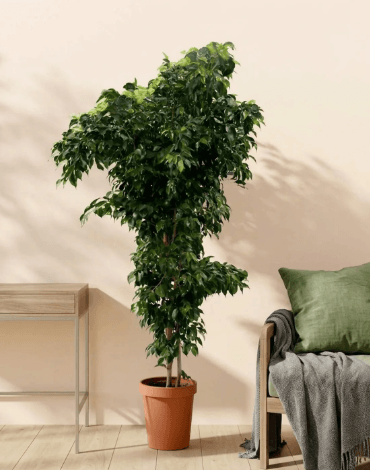
One of the most common mistakes buyers make when shopping for large ornamental trees is assuming that bigger is always better. In reality, picking the right mature ficus tree for sale has far less to do with maximum available height and far more to do with how well a specimen’s size, shape, and growth habit match the actual space it will occupy. A tree that looks stunning in a nursery photo can feel cramped and overwhelming in a small indoor lobby, while a compact specimen placed in a sprawling outdoor courtyard can look lost and underwhelming. Getting this match right from the start is the difference between a landscape that feels intentional and one that feels like an afterthought.
Start With the Space, Not the Tree
Before browsing any catalog, the most useful exercise a buyer can do is measure the intended location carefully. This means noting ceiling height for indoor placements, doorway and hallway widths if the tree needs to be moved through a building, available floor space and how it relates to foot traffic, and for outdoor placements, how much room the canopy will eventually have to spread without interfering with walkways, building structures, or overhead wiring.
Light conditions matter just as much as physical dimensions. A mature ficus tree for sale that has been grown in full outdoor sun will struggle if placed in a dim interior corner, while a specimen cultivated for lower indoor light levels may scorch if placed in direct, intense sunlight without a gradual adjustment period. Matching a tree’s growing history to its intended new environment is one of the most overlooked steps in the buying process, yet it has an enormous impact on how well the tree settles in.
Indoor Placements: Compact and Controlled
For interior spaces such as lobbies, offices, restaurants, and private homes, compact and tabletop-sized ficus varieties are generally the safer choice. These smaller forms are easier to control in terms of light and humidity, fit more predictably within standard ceiling heights, and can often be moved or repositioned if the design of a room changes over time. Ginseng ficus and other bulbous-rooted varieties are particularly popular for interior settings because their compact, sculptural roots make them visually interesting even at a smaller scale, meaning buyers don’t have to sacrifice visual impact just because they need a smaller footprint.
Bright, indirect light tends to produce the best results indoors, since it encourages compact, healthy growth without the leaf scorch that can occur under harsh direct sun through glass. Buyers furnishing lobbies or reception areas often prefer specimens in the 80 to 150 centimeter range, which is tall enough to make a visual statement without overwhelming standard commercial ceiling heights.
Balcony and Semi-Outdoor Settings
Balconies, covered patios, and semi-shaded courtyards occupy a middle ground between fully indoor and fully outdoor conditions, and the right ficus selection for these spaces needs to be more adaptable than a pure indoor variety. Varieties with attractive foliage patterns tend to do particularly well here, since they can handle brighter ambient light than a typical indoor spot while still being somewhat protected from harsh, direct exposure and strong winds.
Airflow is an important and often overlooked factor in these transitional spaces. Good ventilation reduces the risk of fungal issues that can develop in more humid, semi-enclosed areas, and it also helps the tree develop sturdier growth compared to a completely still indoor environment.
Open Gardens and Landscape Settings
For fully outdoor landscape applications , parks, large estates, hotel grounds, and expansive private gardens , landscape-scale banyan-style ficus trees are typically the better fit. These larger, more structurally dramatic specimens, often featuring exposed aerial roots or sculptural trunk shapes, are built to handle full sun exposure and a wider range of temperature swings than their indoor counterparts.
| Placement Type | Best Ficus Form | Light Requirement | Key Consideration |
| Indoor lobby/office | Compact bonsai or floor size | Bright, indirect light | Ceiling height, doorway access |
| Balcony/covered patio | Medium foliage variety | Partial to bright ambient light | Airflow, wind protection |
| Open garden | Landscape banyan type | Full sun to part shade | Root spread space |
| Poolside/resort courtyard | Sculptural shaped tree | Full sun tolerance | Structural centerpiece role |
| Parks/large estates | Oversized landscape specimen | Full sun | Long-term root expansion |
These outdoor specimens generally require more planting space to accommodate mature root spread, and buyers should plan for a wider planting radius than the current canopy might suggest, since a healthy ficus continues expanding both above and below ground for many years after installation.
Matching Shape to Design Intent
Beyond raw size, the visual style of a mature ficus tree for sale should also align with the overall design language of the space. A minimalist, modern interior often pairs best with a clean, single-trunk specimen with a rounded, tidy canopy, since this shape complements simple architectural lines without competing for visual attention. A more traditional or resort-style landscape, on the other hand, often benefits from a more dramatic sculptural form , twisted trunks, exposed root systems, or S-shaped growth patterns that serve as a natural focal point rather than a background element.
Buyers designing multiple zones within a single property sometimes intentionally mix these styles, using compact, tidy specimens in formal indoor areas and more dramatic sculptural forms in outdoor gathering spaces, creating a sense of variety and discovery as visitors move through different parts of a property.
Working With Detailed Specifications
Because photographs alone rarely convey true scale and proportion, working with a supplier who provides detailed measurements is essential to making a confident purchase decision. Trunk diameter, canopy width, overall height, and root ball or pot size should all be clearly listed for each specimen, allowing buyers to compare their measured space directly against the tree’s actual dimensions rather than relying on visual estimation from a photo.
A well-organized [ listing typically groups specimens by category, making it far easier to filter by the general placement type , bonsai, foliage variety, or landscape banyan , before drilling down into specific size and shape options within that category. This structured browsing approach saves significant time compared to sorting through an unorganized mix of listings and reduces the chance of falling in love with a tree that ultimately doesn’t fit the intended space.
Planning for Growth Over Time
Even mature trees continue to grow, so it is worth considering not just how a specimen fits a space today, but how it will fit in five or ten years. Indoor specimens generally grow more slowly due to controlled light and container limitations, making them relatively predictable long-term choices for interior spaces. Outdoor landscape trees, particularly those planted directly in the ground rather than large containers, can experience more significant growth over time, so allowing generous spacing around the initial planting location helps avoid the need for costly relocation or heavy pruning later on.
Common Mistakes Buyers Make When Matching Size to Space
Even experienced buyers occasionally fall into a few predictable traps when selecting a mature ficus tree for sale. The most frequent mistake is measuring only the floor footprint of a space while ignoring vertical clearance, which can lead to a beautifully shaped tree that simply cannot fit through a doorway or under a ceiling once it arrives on site. It is always worth measuring the full delivery path, not just the final resting spot, since a tree that fits the room but not the hallway leading to it creates an unnecessary and entirely avoidable logistical headache.
A second common mistake involves underestimating how much a landscape-scale specimen will continue to spread once planted directly in open ground. Buyers sometimes plant a mature tree at what looks like a comfortable distance from a building, walkway, or pool edge, only to find years later that root systems or low branches have started interfering with nearby structures. Because ficus root systems can be vigorous, especially in warm, well-watered outdoor conditions, it is generally wise to plant with more clearance than seems strictly necessary at the time of installation.
A third pitfall is choosing a tree based purely on how it looks in isolation, without considering how it will read against the surrounding architecture and existing plantings. A dramatic, twisted sculptural specimen might be a stunning individual tree, yet look visually chaotic if placed among an otherwise clean, minimalist design scheme. Conversely, a simple, tidy single-trunk tree can look underwhelming as a centerpiece in a bold, statement-driven courtyard designed around dramatic focal points. Considering the tree as part of a broader composition, rather than as a standalone purchase, consistently produces better final results.
For larger or more complex projects involving multiple trees, it is often worth consulting with a landscape designer or the supplying nursery directly before finalizing a purchase. Experienced suppliers who work regularly with hospitality groups and landscape contractors can offer valuable guidance on which forms and sizes tend to perform best in specific climate zones and what realistic growth expectations look like over a five or ten year horizon, helping less experienced buyers avoid costly mismatches before a tree is ever delivered and planted.
Bringing It All Together
Ultimately, choosing the right mature ficus tree for sale is a matching exercise rather than a simple shopping decision. It requires an honest assessment of available space, light conditions, design intent, and long-term growth expectations, paired with a supplier who provides the detailed specifications needed to make that comparison meaningful. When these elements come together correctly, the result is a tree that doesn’t just fill a space but genuinely elevates it , looking as though it was always meant to be exactly where it stands.