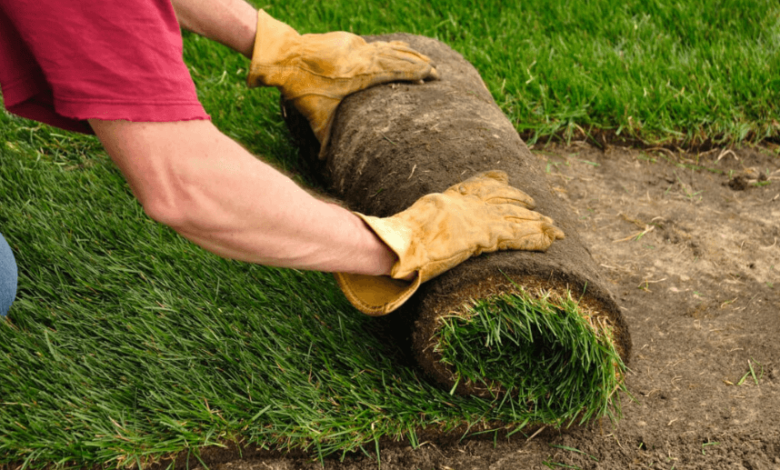
Timing matters more than most homeowners realise when it comes to laying new turf. Getting the season right can be the difference between a lawn that establishes quickly within a few weeks and one that struggles for months, no matter how good the turf variety itself is.
Why the season affects establishment
Turf is a living product, and how it settles into a new site depends heavily on soil temperature, moisture, and daylight hours. Laying at the wrong time of year puts unnecessary stress on the roots right when they need to be growing downward and anchoring the new lawn.
The Illawarra climate is milder than much of inland New South Wales, but it still has clear seasonal swings that affect how well new turf takes hold after delivery, particularly across the cooler months when growth naturally slows across the region.
Even a few weeks either side of the ideal window can make a noticeable difference to how quickly a lawn thickens up, which is why local timing advice tends to outperform generic national guidance found in gardening magazines.
Spring as the ideal window
Most local growers, including suppliers of Wollongong turf supplies, recommend spring for new lawns because soil temperatures are warming and rainfall is generally reliable without the extreme heat of summer that can stress freshly laid turf before it has a chance to root properly.
Root growth is strongest when soil sits between roughly fifteen and twenty-five degrees, a range spring in Wollongong hits fairly consistently across September and October most years, giving new turf the best possible conditions to establish a strong root system quickly.
Spring planting also gives the lawn a full growing season to establish before the following summer arrives, which builds resilience against heat stress later on and means less intensive watering will be needed once the warmer months set in.
Many landscapers deliberately schedule larger residential jobs for early spring for exactly this reason, booking turf delivery to coincide with the first stretch of consistently mild, damp weather each year.
Why summer laying carries more risk
Turf laid in the height of summer often needs watering multiple times a day just to survive, let alone establish properly, which is both costly in terms of water usage and genuinely easy to get wrong if a household is away or busy.
Extreme heat also accelerates the drying-out process for freshly cut turf, meaning it can arrive already stressed if delivery or laying is delayed even slightly on a hot day, leaving patches that never fully recover even with careful aftercare.
Autumn as a solid second option
Autumn offers cooling soil temperatures and typically steadier rainfall, making it a reasonable alternative to spring for homeowners who missed the earlier window or who are working around other renovation projects happening on the property.
The main drawback of autumn laying is a shorter runway before winter dormancy sets in, so root systems have less time to fully establish before growth slows considerably, meaning a little extra patience is needed before the lawn looks fully settled.
Why winter is best avoided
Cold soil slows root development considerably, and turf laid in winter can sit dormant for weeks without showing much visible growth at all, which can be worrying for homeowners expecting a quick transformation of a bare or worn-out yard.
Frost-prone areas further inland from the coast face an even higher risk of winter-laid turf failing to establish properly before spring arrives, sometimes requiring patchy areas to be replaced entirely once the weather finally warms up again.
See also: Commercial Resprays Telford – Giving Business Vehicles a Road Presence
Preparing the site regardless of season
Whatever time of year turf goes down, proper site preparation still matters enormously. Clearing debris, levelling the soil, and adding a quality topsoil layer all support healthy establishment and give roots a much easier environment to grow into from day one.
Compacted soil is a common issue on newer builds, and breaking it up before laying gives roots a far easier path to grow downward rather than staying shallow and vulnerable to drying out during the first hot spell after laying.
Watering after delivery
New turf needs consistent moisture in its first few weeks regardless of season, though the frequency required varies considerably between a mild spring day and a hot summer one, so watering schedules should be adjusted rather than left on autopilot.
A general rule is to keep the top few centimetres of soil moist without waterlogging it, checking daily until root growth is clearly underway, at which point watering can gradually be reduced to a more normal weekly routine.
Planning delivery around the calendar
Ordering turf ahead of the peak spring season is worth doing early, since local suppliers can book out quickly once the weather turns favourable across the region, particularly around long weekends when many households tackle garden projects at once.
Local businesses that plan ahead in other areas too, from stock ordering to responsive web design, tend to avoid the last-minute scramble that catches out less organised operators each season, and the same forward planning applies well to homeowners ordering turf.
A quick phone call to confirm availability a few weeks before the preferred laying date avoids disappointment if a particular variety is in high demand, especially heading into the busiest stretch of the spring planting season.
Getting professional advice for your site
Every property is a little different, and factors like shade, slope, and existing soil type can shift the ideal timing slightly from the general seasonal advice, so a one-size-fits-all recommendation will not suit every Wollongong backyard equally well.
Speaking with a local supplier who understands Wollongong conditions specifically gives a far more accurate answer than generic advice found online, particularly for properties with unusual shade patterns or drainage challenges that affect establishment.
Getting the timing right pays off
Choosing the right season is one of the simplest ways to set a new lawn up for success without spending anything extra on the turf itself, making it one of the most cost-effective decisions in the entire process.
For most Wollongong homeowners, spring remains the safest bet, with autumn a reasonable fallback for those who need to plan around other commitments during the year, and a little patience through either season pays off with a healthier, longer-lasting lawn.